
The GPS Innovation Alliance is calling for safer coordination of U.S. military jamming and spoofing tests after its executive director warned that interference intended for counter-drone and electronic-warfare testing can affect civilian navigation systems. DefenseScoop published the warning on November 6 after Lisa Dyer discussed the issue at the National Defense Transportation Association’s annual Fall Meeting in Texas. DefenseScoop’s report
DefenseScoop describes jamming and spoofing as distinct electronic-warfare and cyber-interference methods that can disrupt satellite-enabled navigation assets. The report says military test activity is conducted in controlled environments and that the FAA and Defense Department coordinate scheduled windows through flight advisories and GPS interference NOTAMs. Dyer nevertheless said there have been cases in which notices were not issued, and others in which interference continued to affect aircraft systems despite a notice.
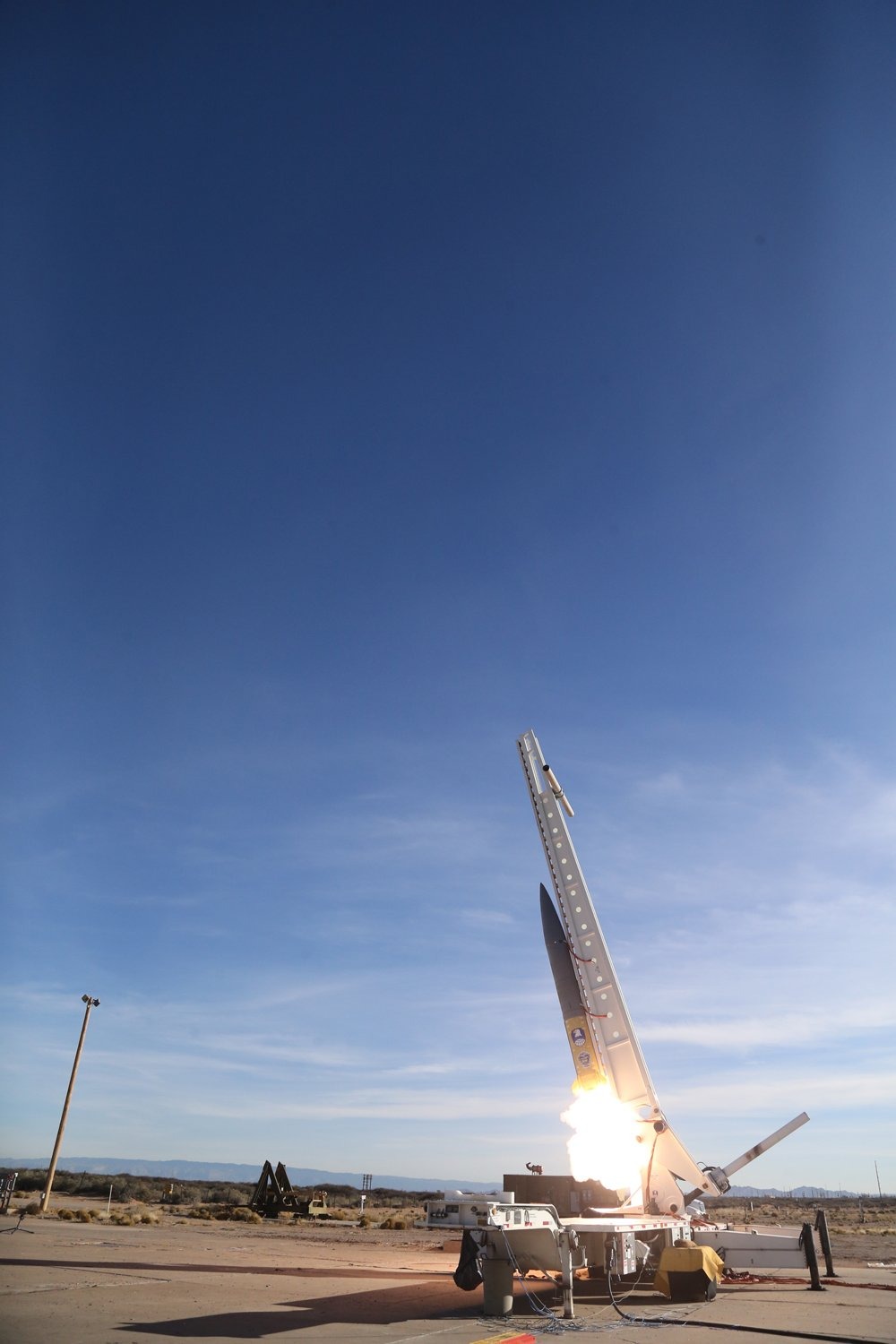
The report links the warning to a May medical-evacuation aircraft crash near Ruidoso, New Mexico. It says a preliminary National Transportation Safety Board report described an abrupt loss of GPS capability associated with electronic-warfare testing from White Sands Missile Range, but did not determine a probable cause; the investigation remains open. Dyer said the GPS Innovation Alliance has recommended considering a larger test range because interference appeared to extend beyond the intended area. DefenseScoop does not establish that the testing caused the crash.
The alliance’s own September 2025 recommendations provide its broader protection approach: stronger government coordination and enforcement, faster adoption of jam- and spoof-resistant antennas, modernized GPS signals and anti-spoofing authentication, and action against harmful interference outside conflict zones. The alliance’s recommendations are policy proposals, not measurements of the White Sands tests.
For operators, the documented limitation is scope: the current report identifies the affected navigation function and coordination mechanism, but does not provide the test frequencies, transmitted power, geographic contours or measured interference levels. It also distinguishes a reported GPS disruption from a confirmed crash cause.